Curated reading
Tim's Bookshelf
Books Tim regularly recommends to clients, leaders, and course attendees. A curated reading list covering persuasion, behavioural science, storytelling, leadership, communication, advertising, and influence.

Persuasion and influence
Thank You for Arguing
by Jay Heinrichs
A terrific book on rhetoric, persuasion, and the mechanics of argument. Smart, funny, and far more useful than most business books with "influence" in the title. If you want to understand how to persuade without sounding like a robot in a blazer, start here.
Best for: Presenters, sellers, leaders, negotiators

Persuasion and influence
How to Win an Argument
by Cicero
Old school, obviously. But that is part of the charm. The principles of persuasion were not invented on LinkedIn last Tuesday. This is a useful reminder that good argument has structure, discipline, and style.
Best for: Anyone who wants to think and argue more clearly

Persuasion and influence
Influence
by Robert Cialdini
A classic for good reason. This book gives you a practical understanding of the principles that shape human decisions and behaviour. Hugely useful in sales, leadership, marketing, and everyday communication. One of those books that earns its spot.
Best for: Leaders, marketers, salespeople, communicators

Persuasion and influence
Never Split the Difference
by Chris Voss
Excellent on negotiation, tactical empathy, and handling difficult conversations under pressure. Practical, memorable, and highly usable. If you work with clients, executives, stakeholders, or stubborn humans in general, there is plenty here.
Best for: Negotiators, leaders, salespeople, coaches

Persuasion and influence
How to Win Friends and Influence People
by Dale Carnegie
Yes, it is old. Yes, some of the examples feel like they arrived by steam train. Still useful. Beneath the age spots is a very practical book about interest, respect, connection, and how to deal with humans without accidentally becoming one of their problems.
Best for: Leaders, sellers, managers, anyone working with people

Behavioural science
Thinking, Fast and Slow
by Daniel Kahneman
Not exactly beach reading, unless your idea of a holiday involves cognitive bias and decision architecture. But it is foundational. If you want to understand how people really think and why judgment is so often messy, this matters.
Best for: Serious students of behavioural science and decision-making

Behavioural science
Nudge
by Richard Thaler and Cass Sunstein
A practical and highly accessible book on choice architecture and how small changes can influence behaviour. Good for leaders, policy people, marketers, and anyone trying to improve decisions without waving a stick around.
Best for: Leaders, policy professionals, change-makers

Behavioural science
Predictably Irrational
by Dan Ariely
One of the most readable behavioural science books around. Full of examples that make you laugh, wince, and recognise your own strange little habits. Useful if you want a more accessible entry point than Kahneman.
Best for: Anyone curious about why people behave oddly but consistently

Behavioural science
The Righteous Mind
by Jonathan Haidt
A very useful book for understanding moral intuition, disagreement, and why smart people can look at the same issue and come to wildly different conclusions. Excellent for leadership, communication, and not losing your marbles when others disagree with you.
Best for: Leaders, communicators, anyone working across differing views

Storytelling
The Hero with a Thousand Faces
by Joseph Campbell
This is one of the big roots of modern story structure. It is not a business book, and that is exactly why it is valuable. If you want to understand the deep patterns behind narrative, myth, and meaning, this is worth the climb.
Best for: Storytellers, creatives, people interested in narrative structure
Storytelling
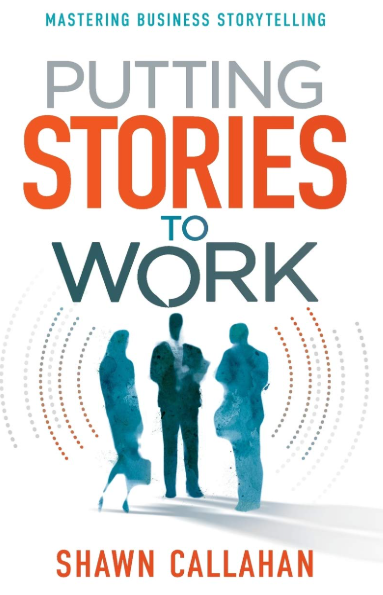
Putting Stories to Work
by Shawn Callahan
A practical favourite. This is one of the most useful books for anyone trying to use stories in business without sounding cheesy or contrived. Strong on application, structure, and why stories work so well in organisations.
Best for: Leaders, trainers, consultants, presenters

Storytelling / communication
Slide:ology
by Nancy Duarte
Still one of the best books on presentation thinking and slide craft. Useful for anyone who wants to stop assaulting audiences with bullet-point soup and start building presentations people can actually follow.
Best for: Presenters, consultants, corporate communicators

Storytelling / communication
Presentation Zen
by Garr Reynolds
This book helped shift presentation design away from clutter and toward clarity. Cleaner slides. Better visual thinking. More respect for the audience. A very useful corrective for the average corporate deck, which often looks like it was assembled during a minor electrical storm.
Best for: Anyone who presents with slides

Storytelling / communication
TED Talks
by Chris Anderson
A very practical book on how to shape and deliver a talk that people can follow and care about. Good on structure, message discipline, and audience connection. Particularly useful if you speak publicly and want to avoid sounding like you swallowed a corporate template.
Best for: Speakers, leaders, conference presenters

Storytelling / communication
The Elements of Eloquence
by Mark Forsyth
A delightfully clever book on rhetoric, language, and why some phrases just sound better and stick harder. Very useful if you enjoy words and want to make your language more memorable, musical, and persuasive without sounding overcooked.
Best for: Writers, speakers, storytellers, word nerds

Leadership
Leaders Eat Last
by Simon Sinek
A readable book on trust, culture, safety, and the conditions that help teams perform better. While some leadership books feel like reheated soup, this one has enough substance to be useful, especially if you are trying to build a healthier, steadier team environment.
Best for: Leaders, people managers, team builders
Leadership
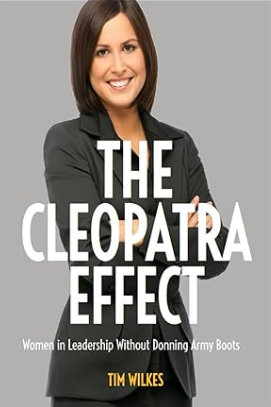
The Cleopatra Effect
by Tim Wilkes
Leadership is not neutral. It is social, relational, and shaped by instincts most people never talk about. This book explores how status, authority, and influence actually work in modern organisations — and why highly capable women often find leadership more effortful than it should be. Not a book about confidence gaps. A book about systems.
Best for: Female leaders, aspiring female leaders, female executives

Advertising and creativity
Alchemy
by Rory Sutherland
A wonderfully sideways book on human behaviour, perceived value, and why logic alone is often a terrible guide to what really works. Smart, funny, and gloriously un-boring. This is one of those books that helps you see why perfectly rational ideas often flop in the wild.
Best for: Marketers, strategists, creatives, anyone interested in irrational humans

Advertising and creativity
Predatory Thinking
by Dave Trott
This is not a polite little book about best practice. It is sharp, provocative, and full of lessons on attention, positioning, and commercial creativity. A very useful antidote to bland thinking and committee-safe ideas.
Best for: Marketers, founders, creatives, people trying to stand out

Advertising and creativity
Where the Suckers Moon
by Randall Rothenberg
Not everyone will know this one, which is part of the fun. It is a fascinating look at advertising, client dynamics, creative ambition, and the odd theatre of commercial persuasion. Great if you like the messy reality behind ideas and campaigns.
Best for: Marketers, agency folk, strategists, curious observers of human behaviour

Leadership
Creativity Inc
by Ed Catmull
One of the most honest books ever written about building a creative organisation. Catmull takes you inside Pixar and shows what it actually takes to build a culture where great work is possible. Not a leadership book in the usual sense — better than that.
Best for: Leaders, managers, anyone building or running a creative team
Behavioural science
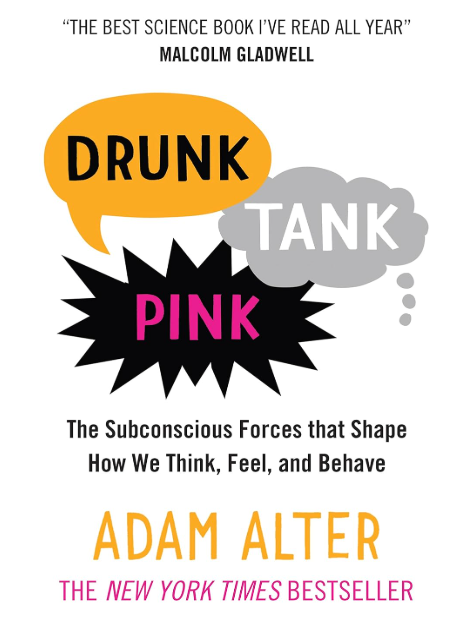
Drunk Tank Pink
by Adam Alter
A genuinely surprising book about how the environment shapes thinking and behaviour in ways we rarely notice. Names, colours, symbols, locations — all of it nudging us without permission. Useful for anyone who designs experiences, spaces, or messages.
Best for: Marketers, designers, leaders, anyone interested in behaviour

Leadership
Obliquity
by John Kay
A short, sharp argument that the best way to achieve complex goals is often indirect. Happiness, success, profit — all are better pursued as by-products of doing the right things well, not as targets to be optimised directly. Quietly radical.
Best for: Leaders, strategists, anyone rethinking how they measure success

Advertising and creativity
The Choice Factory
by Richard Shotton
A smart, practical book on how behavioural science applies to advertising and brand decisions. Shotton takes the big ideas from psychology and shows how they play out in real commercial contexts. One of the most useful books for anyone in marketing or comms.
Best for: Marketers, advertisers, brand strategists, communicators

Leadership
Multipliers
by Liz Wiseman
A long look at why some leaders make everyone around them smarter and more capable, while others — often without realising it — diminish the people they work with. Packed with real examples and practical tools.
Best for: Leaders, managers, anyone who develops or coaches others

Leadership
The Coaching Habit
by Michael Bungay Stanier
Short, practical, and genuinely useful. This book gives you seven questions that will change how you lead, coach, and have everyday conversations. One of those rare business books you'll actually use.
Best for: Leaders, managers, coaches, anyone who wants to ask better questions
Behavioural science
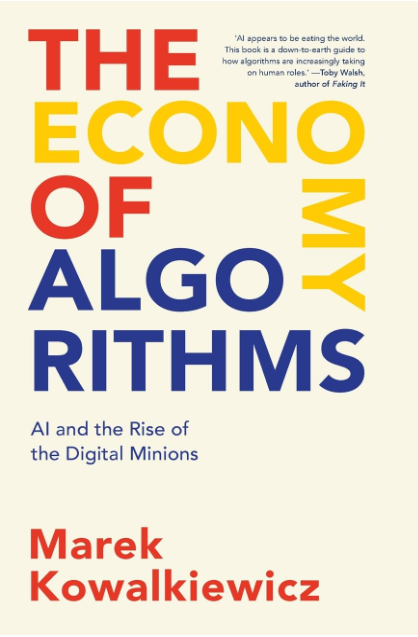
The Economy of Algorithms
by Marek Kowalkiewicz
A timely look at how algorithms are reshaping business, decision-making, and human behaviour. Essential reading for anyone trying to understand where technology and commerce are heading.
Best for: Leaders, strategists, anyone navigating the intersection of technology and business

Behavioural science
A Little History of Philosophy
by Nigel Warburton
A wonderful tour through the history of philosophical thought. Covers the big ideas and thinkers without the jargon. A great foundation for anyone who wants to think more clearly.
Best for: Curious minds, leaders, anyone who wants to think more clearly and rigorously

Personal development
Boundaries
by Henry Cloud and John Townsend
A practical and unexpectedly wise book on why saying no, setting limits, and knowing where you end and others begin is essential for healthy relationships and effective leadership. Not soft. Not selfish. Just necessary.
Best for: Leaders, professionals, anyone exhausted by unclear expectations and overcommitment
Affiliate disclosure: As an Amazon Associate I earn from qualifying purchases. Some links on this page are affiliate links. If you purchase through these links, Tim may earn a small commission at no additional cost to you. Tim only recommends books he has personally read and genuinely values.